
Your Volkswagen Passat B6 DIY Survival Guide
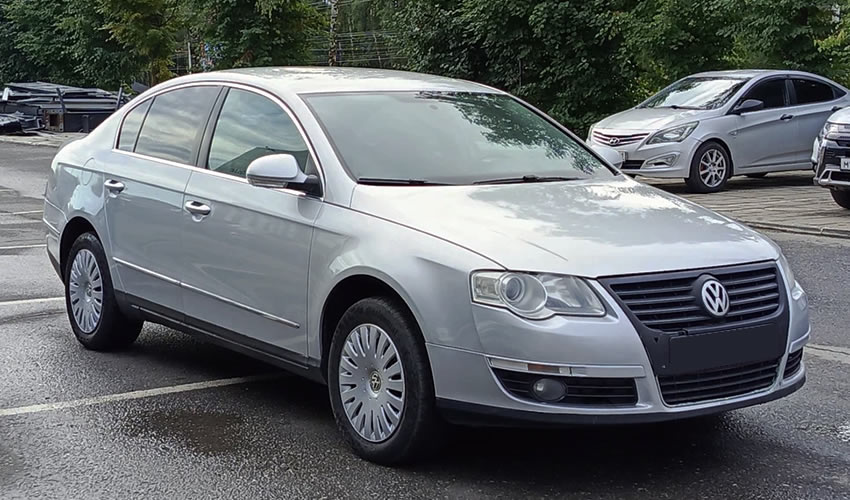
Hey there, fellow Passat B6 owner! So, your trusty German sedan has started showing a few… quirks. Maybe there’s an ominous light on the dash, a strange noise, or something just feels off. Before you panic and dread a massive repair bill, take a deep breath. The Passat B6 (that’s the model from about 2005 to 2010) is a fantastic car, but like any complex machine, it has its common trouble spots. The good news? Many of these issues are well-documented and can be tackled with some patience, basic tools, and a bit of courage. Let’s break down the most frequent problems and how you can handle them.
First Thing’s First: Talk to the Car
Your Passat is packed with computers, and the first step for any diagnosis is to have a chat with them. Don’t just start throwing parts at the problem. The absolute best investment you can make is a good OBD2 scanner. For a few dozen dollars, you can get a basic Bluetooth model that connects to your phone. For more in-depth work, especially with transmission or ABS codes, a VCDS (Vag-Com) scanner is the gold standard used by pros and enthusiasts. It can feel like magic—you plug it in, and it tells you exactly what the car is unhappy about.
Top DIY-Friendly Fixes for the VW Passat B6
- The Dreaded «EPC» Light: This one scares everyone. «Electronic Power Control» often lights up alongside the check engine light. Before you think the worst, check your brake light switch! It’s a ridiculously common and cheap part located up by the brake pedal. A faulty switch sends confusing signals to the engine control unit. Replacing it is a 10-minute, sub-$20 job that fixes the issue more often than you’d think.
- Rough Running and Misfires: If your car starts shaking at idle or feels like it’s lost power, you likely have a misfire. The usual suspects here are the ignition coils and spark plugs. The 2.0T FSI engine (and others) from this era are notorious for chewing through ignition coils. The fix is straightforward: buy a set of new, quality coils (OEM or from a reputable brand like Bosch or Beru) and a set of spark plugs. You can replace them all yourself with a basic socket set. It’s preventative maintenance that makes a world of difference.
- Coolant Issues and Overheating: Keep a very close eye on your coolant level. The Passat B6 is known for coolant leaks, often from the plastic thermostat housing or the water pump. If you see pink crusty residue (from G12 coolant) around the engine bay or smell a sweet odor, you’ve got a leak. Replacing the thermostat housing and water pump is a more advanced job, as it involves removing some components and timing the engine correctly, but for a seasoned DIYer, it’s entirely possible. Tackling this preemptively can save you from a catastrophic overheating incident.
- Squeaks and Rattles from the Front End: Hearing clunking noises over bumps? Your front suspension is talking to you. The front control arm bushings, especially the lower ones, are a weak point. They wear out and cause vague steering and noises. Replacing the entire control arm (which comes with new bushings and ball joints) is often easier than pressing in new bushings. It requires a jack, jack stands, and some muscle, but it’s a very satisfying repair that completely transforms the car’s feel.
The Golden Rule of Parts
Don’t cheap out on parts. This is a German car with precise engineering. Always opt for OEM (Original Equipment Manufacturer) or high-quality aftermarket brands like Lemförder, Meyle, Bosch, or Febi Bilstein. A cheap, no-name part will fail quickly, leaving you to do the job all over again.
Fixing your Passat B6 yourself isn’t just about saving money—it’s about understanding your car and the pride that comes with maintaining it. With a vast online community of forums and YouTube tutorials dedicated to these cars, you’re never alone. So grab your tools, do your research, and get your hands dirty.


